


Types of Retreats: A Guide to Finding the One That’s Right for You
Most people who start looking at retreats aren’t in deep crisis. They’re functioning — seen from the outside, often functioning quite well. But somewhere underneath the competence, there’s a signal they are sensing that won’t go away.
When we talk to people considering a retreat, the most common thing they say is some version of this: “I lost connection to myself. I’ve been taking care of everything for years — the business, the relationships, the responsibilities — but I forgot about me. I feel that I need to do something meaningful and intentional for myself.”
That’s usually the honest starting point. Not a breakdown, not a dramatic turning point — just a growing awareness that the direction isn’t right anymore, and that more of the same won’t change anything.
The challenge is that “retreat” has become one of the most overused words in wellness. A spa hotel with a yoga mat calls itself a retreat. So does a ten-day silent meditation in the mountains. So does a luxury detox program, a group coaching weekend, and an ayahuasca ceremony in the jungle. They’re all called retreats, and they could not be more different.
This guide is here to help you make sense of the landscape — the main types of retreats, what each one actually involves, who they serve best, and what to look for when choosing. Whether you’re seeking personal growth, emotional healing, or simply a meaningful pause — the goal is to help you find the type that matches where you actually are.
Key Takeaways:
- There are six main retreat types — therapy, wellness, yoga, coaching and reset, spiritual, and detox — each fits a different need and life season.
- The most important choice is often format: group retreats offer shared energy, private retreats offer full attention and a custom pace.
- Therapy retreats are led by licensed practitioners and can go deeper than weekly sessions, especially for trauma, burnout, anxiety, grief, and stuck patterns.
- Retreat quality depends on practitioner credentials, safety standards, screening, and follow-up support — not the location or aesthetics.
- Typical meaningful retreats last 5–7 days, and pricing ranges widely based on how much one-to-one time you receive.
What Makes Something a Retreat — And Why It’s More Than a Vacation
The word “retreat” comes from withdrawing — stepping back from your normal life so you can see it more clearly. That’s the common thread across every type. You leave your routine, your patterns, your daily noise, and you enter a different container — in the best case, one designed with intention.
That’s what separates a retreat from a vacation. A vacation gives you rest and pleasure, and there’s nothing wrong with that. A retreat has structure, purpose, and usually some form of professional guidance. The setting matters — beauty and calm genuinely help — but what makes a retreat work is what happens during the experience itself.
The biggest difference comes down to commitment. You commit to yourself — getting honest about your life topics and immersing yourself in the process. The retreat team commits to building an experience that is genuinely meaningful and helps where it’s needed most. That shared commitment is what makes even a quiet conversation by the fire at the end of the day part of something larger, because everything is held within an intentional space.
A retreat also has rhythm and structure — a designed flow that moves you through a deepening experience with a clear intention. From the outside it might look simple, but real retreat design requires intuition, expertise, and close attention. Knowing when to challenge, when to invite, when to listen, when to nudge, and when to simply hold space is a craft that takes years to develop.
Most meaningful retreats last between five and seven days. Shorter stays can offer a taste, but rarely enough time for deep work to truly settle.

The Six Main Types of Retreats — And Who Each One Serves Best
Not all retreats are built the same way. Understanding the main categories helps you choose the kind of experience that matches what you’re actually looking for.
Therapy and Mental Health Retreats: Deep Work With Licensed Practitioners
These retreats are led by licensed therapists or psychologists and designed to work with specific challenges — trauma, anxiety, depression, grief, burnout, or longstanding patterns that haven’t shifted despite real effort.
This is the category with the widest quality gap. A genuine therapy retreat involves a qualified practitioner who can meet your specific situation with clinical skill and real depth, which is quite different from a wellness retreat that offers a “therapy session” as an add-on.
If you’ve already done months or years of weekly therapy, you might recognise this: the work helped, and you arrived well-informed about your issues on a cognitive level. You can name your patterns, describe your childhood, explain your attachment style. But emotionally, physically, and on a deeper level, you’re still stuck in the same loops — still carrying the effects of those challenging patterns without having fully processed through them.
Intensive retreat work moves differently than weekly sessions. When you have five or seven full days in a safe, held environment with a practitioner you trust, you can access layers that a fifty-minute weekly session simply can’t reach. What emerges often comes as a surprise — suppressed grief, anger that had been intellectualised away, a clarity you had been circling for years but couldn’t fully embody.
The methodologies matter here too. Transpersonal therapy, somatic work, and depth psychology work on the level of the body, the emotions, and sometimes the existential and archetypal dimensions of your experience. That depth is what creates the shift — actual processing of what’s beneath the surface, not just more understanding of it.
A good therapeutic retreat also involves challenge. A skilled practitioner guides you toward the places you wouldn’t go alone, which requires trust — built through safety, honesty, and the sense that the person sitting across from you has done their own deep inner work and respects your individual needs and boundaries.
What to look for: Licensed practitioners with specific training in trauma-informed or depth-oriented modalities. Ask about qualifications, therapeutic approach, and what follow-up support is offered after you leave.
What to watch for:
- Practitioners offering deep “healing” without clinical training or clear ethical scope
- Group therapy formats where individual attention is limited by the number of participants
- Programmes with no integration or follow-up plan for after the retreat
Wellness and Restoration Retreats: Resetting Body, Mind, and Daily Habits
This is the broadest category — and the one where “retreat” gets stretched the most. Wellness retreats combine elements like nutrition, gentle movement, relaxation practices, and sometimes light coaching or bodywork. They’re designed for general restoration and building healthier habits.
The quality spectrum is enormous. On one end, a hotel with a sauna and a smoothie menu. On the other, a comprehensive programme with skilled practitioners, personalised nutrition, and real structure around your days.
A wellness retreat is a good fit if you need to step out of your routine and reset — physically, mentally, or both. You’re not looking for deep therapeutic work, but you want more than a holiday. You want to come back feeling different in your body and clearer in your thinking.
What to look for: Actual wellness practitioners (not only hospitality staff), a designed daily rhythm, meals prepared with nutritional intention, and some form of personal attention — even if it’s not fully one-to-one.
What to watch for:
- “Wellness retreat” is an unregulated term — ask what’s actually included versus what costs extra
- Programmes where nobody asks about your specific needs or health history before you arrive
Yoga Retreats: From Group Practice to Deeply Personal Experiences
Yoga retreats are the most common type worldwide. They centre on yoga practice — often multiple daily sessions — and may include meditation, breathwork, philosophy, and some form of bodywork or massage.
What most people experience in a group yoga class, even a good one, is a shared flow designed for the room. The teacher might adapt the class, but they can’t fully respond to what your body specifically needs in any given moment. When you’re rushing through a pose to avoid what you’re feeling, or holding back in a stretch because of something you’re protecting, it’s simply not possible to get the full attention and real-time guidance that would help you go deeper.
In a private yoga setting, the work is entirely different. The practice is designed around your body, your emotional state, and where you are that day. The practitioner can work directly with you — helping your body open, deepen, or release in ways that aren’t possible in a group. They guide your breathing, rhythm, and pace in real time, and people who’ve done yoga for years often have their deepest experiences in this kind of setting, because someone finally sees the limiting patterns they’ve been repeating.
Even if you arrive without prior yoga experience — particularly if you only know gym-based fitness — something surprising often happens when the practice is adapted to you rather than the other way around. There’s a depth and a sense of homecoming in the body that is genuinely satisfying and rewarding.
What to look for: The teacher’s training and experience level, the style of yoga offered, and whether the practice is adapted to you individually or follows a fixed sequence regardless of who’s in the room.
What to watch for:
- Group yoga retreats vary wildly — a thirty-person class at a resort is fundamentally different from a small group or private session with individual attention
- Ask about group size and teacher-to-student ratio before booking
Coaching and Reset Retreats: Clarity for Life Transitions and New Directions
These retreats combine personal life coaching, strategic reflection, and often wellness or somatic elements. They’re designed for people who need clarity — about their direction, their patterns, or their next chapter.
This is personal work that naturally impacts professional life, because the two aren’t truly separate. Someone who clears an internal conflict makes better decisions. Someone who reconnects with their values leads with more conviction and less friction.
These retreats tend to attract founders, entrepreneurs, and professionals in transition. The presenting question is often practical — “What’s my next move?” or “How do I lead without burning out?” — but the work usually goes deeper than that. Underneath the strategic question, there’s often something unprocessed: a loss, a betrayal, a growing gap between who you’ve become and who you actually are.
What to look for: Practitioners who can hold both personal depth and practical direction — helping you leave with real decisions.
What to watch for:
- “Executive retreat” has become a buzzword — some are strategy workshops with a nice view but no personal depth work
- If the programme doesn’t address you as a whole person, it’s a planning session, not a retreat
Spiritual Retreats: Tradition, Practice, and Altered States
These retreats are rooted in a specific tradition or practice — Vipassana meditation, Zen, contemplative prayer, shamanic work, or plant medicine ceremonies (ayahuasca, psilocybin, San Pedro).
They often have the longest traditions and the deepest structures. A ten-day silent Vipassana retreat is one of the most rigorous inner experiences available. Plant medicine ceremonies, increasingly popular worldwide, can catalyse profound shifts — but they carry real risk without proper preparation, facilitation, and integration, and can take place in therapeutically unsafe containers.
Meditation retreats — from weekend mindfulness practices to month-long silent programmes — fall into this category too, and they range from entirely secular to deeply traditional.
Spiritual retreats can be genuinely transformative when the facilitation is skilled and the participant is properly prepared and screened. Credentials, lineage, safety protocols, and integration support matter enormously.
It’s also worth noting that some spiritual retreats are grounded in specific religious frameworks, which may or may not align with your own beliefs. The most valuable programmes respect your individual worldview and don’t impose a particular faith system — they create space for your own spiritual experience to unfold naturally.
What to look for: Experienced facilitators with verifiable training, clear screening processes, integration support before and after, and an ethical framework that respects your autonomy and beliefs.
What to watch for:
- Anyone minimising the risks of intensive practices or altered states
- Settings that impose specific religious belief systems rather than supporting your own exploration
- Programmes where participants are not individually assessed before taking part
Detox and Nutrition Retreats: Physical Reset and Lasting Health Upgrades
These retreats focus on physical cleansing and nutritional reset — through fasting protocols, juice programmes, specific therapeutic diets, colonics, supplementation, or comprehensive nutritional assessment and education.
The word “detox” is used very loosely. It can mean a medically supervised protocol with lab work and practitioner oversight, or a week of green juice and no coffee. The difference matters, especially if you have underlying health conditions.
These retreats serve you best if your body is asking for a reset — chronic fatigue, digestive issues, skin problems, or simply years of accumulated stress showing up physically.
What to look for: Qualified nutritional practitioners, medical oversight for any intensive protocol, and an approach that educates you so you can continue the principles at home for lasting change.
What to watch for:
- Extreme protocols without qualified supervision
- Programmes promising dramatic physical results in a short timeframe without assessing your individual health first
When Retreat Types Combine: Holistic and Transformational Programmes
It’s worth knowing that some retreats don’t fit neatly into one category — and that’s often a strength rather than a weakness. Holistic and transformational retreats combine several of these elements into one coherent journey: therapeutic depth, yoga and bodywork, nutritional care, coaching, and personal reflection, all woven together and fully adapted to what you need.
This integrated approach can be especially powerful because real life doesn’t compartmentalise either. Your body, your emotions, your thinking, and your sense of direction are all connected. A healing retreat that addresses them together — rather than isolating one dimension — often creates the most lasting shifts, particularly when guided by a small, dedicated team who can see and respond to the full picture.
Beyond the Main Categories: Other Retreat Formats Worth Knowing
The six types above cover the most common and impactful approaches to retreat work, but the landscape is broader. Adventure retreats combine outdoor challenges — hiking, kayaking, climbing — with personal reflection and group bonding. Nature retreats focus on wilderness immersion as the primary element, often with minimal technology and maximum time outdoors. Creative retreats are designed for writers, artists, and musicians seeking space and inspiration. Fitness retreats offer structured physical training programmes, often combined with nutrition coaching. And culinary retreats centre on food — learning to cook mindfully, understanding nutrition, and building a healthier relationship with how you eat.
Each of these has value for the right person at the right time. The key is matching the format to what you actually need.
Group Retreats vs Private Retreats: The Choice That Matters Most
This distinction matters more than most people realise. The type of retreat — therapy, yoga, wellness — gets all the attention. But whether you’re in a group of twenty or working one-to-one with a dedicated practitioner might be the more important choice.
Group retreats offer shared energy, community, and the benefit of witnessing other people’s processes. Seeing someone else move through something difficult can trigger your own insights, and group retreats are also more accessible financially. They can be a powerful entry point into retreat work.
Private retreats offer something fundamentally different. The pace is yours. The programme is built around your specific needs. And — importantly — you don’t have to manage anyone else’s experience while you’re navigating your own.
If you’ve spent years in leadership, parenting, or caregiving roles, this matters more than you might expect. You may have been responsible for everyone around you for so long that you’ve forgotten what it feels like to receive full attention without having to give anything back. In a private retreat, you are the centre of the process. You can show up with your full complexity — the messy parts, the uncertain parts — and it’s met with care rather than judgment. There’s no need to perform, pretend, or manage the room.
That permission is often where the real work begins. When you stop managing the situation, your system can finally do what it’s been trying to do for years: process, release, and recalibrate.
Some people have done group work before and found it valuable — yet felt they couldn’t make the strong shift they sensed was necessary. A solo retreat in a private setting gives them the space to connect with themselves purely.
Both formats have their place. The question is what you actually need right now.

Retreats for Women: Depth, Safety, and Holding Space for Intensity
Women represent the majority of retreat seekers worldwide, and they tend to come with a certain readiness for inner work. Often, a dramatic life event isn’t what triggers the decision — there’s simply an inner knowing that it’s time to take care of themselves more intentionally.
Women who seek private or intensive retreats often carry complex themes — loss, the weight of raising children alone, histories of violence or betrayal. These aren’t easy topics, and they don’t respond to surface-level wellness approaches.
What’s striking is that women in this work tend to be more emotionally open and accessible from the start. They arrive ready to feel. But that emotional depth comes with intensity — powerful moments of grief, anger, strength, and vulnerability that need a container safe enough to process and integrate all of it. A genuine space for both vulnerability and power, where neither has to be suppressed.
Women also tend to be drawn to the physical and nutritional dimensions of retreat work — longevity, body care, holistic nutrition, and the relationship between how they nourish themselves and how they feel. The healing often moves across all these levels at once.
What to look for: Female practitioners available (especially for bodywork and sensitive therapeutic work), private accommodation, a location that feels genuinely safe, and a programme with real emotional depth.
What to watch for:
- Retreats marketed to women using empowerment language without therapeutic or practical substance behind it
- Group formats where sensitive topics can’t receive the individual care they deserve
Retreats for Men: The Space to Be Honest Without Being Forced
Men are significantly underrepresented in retreat attendance — but not in their need for meaningful experiences that go beyond the surface.
A pattern that comes up often: a man arrives with what sounds like a strategic question — “What should I do with the next five to ten years?” or “How do I figure out my purpose?” The question is real, but underneath it there’s often unprocessed material that’s been quietly shaping everything. An early loss of a parent. A betrayal that was never spoken about. A sense of living a version of yourself that doesn’t quite fit anymore.
Men tend to arrive more in the “mental” space — wanting to think through their situation, plan, strategise. But as the retreat unfolds and safety builds, something else often happens. Emotional openings that weren’t expected. Sometimes a quality of awe or inspiration that had never been allowed before — as if an entire new dimension of experience had been waiting behind a door that was kept locked.
Men also tend to choose a retreat during clearly tangible life transitions — after selling a company, finishing a significant project, losing a parent, ending a relationship. There’s often a concrete trigger that makes it undeniable: something has to change. Where women more frequently come from an inner knowing, men more often need the external signal before they give themselves permission.
What men need in a retreat — though they’d rarely say it out loud — is a space where vulnerability is possible without being forced. Not being told to “open up” in a circle, but being met with enough safety and respect that opening becomes natural. Physical activity, being in nature, and moments of quiet introspection often become gateways into deeper work and a more grounded, conscious way of living.
What to look for: Male practitioners who are on your eye-level and have done their own deep inner work, a programme that bridges the practical and the personal, and a setting that respects your autonomy while creating the conditions for honesty.
What to watch for:
- Retreats built around a fixed masculine archetype or “men’s work” framework that might not fit you
- The best retreat for a man is one designed around him as an individual — not around an idea of what men should process
What to Expect at a Retreat — And How to Prepare Well
If you’ve never done a retreat before, the first thing to know is that it’s completely normal to feel nervous. Most people arrive with assumptions, a bit of shyness, and plenty of mental chatter about what this will be like. That settles, usually faster than you’d expect.
A Typical Retreat Day
A well-designed retreat day has rhythm: a morning practice (movement, yoga, or meditation), a session with your practitioner, a nourishing meal, time for rest or reflection, an afternoon session or bodywork, and a gentle close to the day. The balance between intensity and rest is where the quality lives — too much inner work without recovery, and breakthroughs can’t settle; too much rest without direction, and it becomes a wellness holiday.
The first day or two is often an adjustment period. Your nervous system is shifting from high input to low input, and that transition can feel restless, emotional, or even physically uncomfortable. This is normal and expected. By day three, most people feel and follow their natural rhythm.
How to Prepare Before You Arrive
A few simple steps make a real difference:
- Reflect on your intention. Take some quiet time to think about what you’d like to experience. What are your themes? Your wishes? What’s draining you most? Write it down — not as a perfect summary, but to get honest with yourself. The clearer your intention, the better the retreat can serve you.
- Arrive rested if possible. If you’re travelling from far away, consider arriving a day early to adjust and let the journey settle.
- Embrace a digital detox. Reduce your phone use significantly during the retreat. If you have a partner or family, agree on a simple check-in rhythm rather than constant contact. Relationship dynamics are often part of what the retreat addresses, and staying immersed in daily communication can work against the process.
- Plan buffer days after. Don’t rush back into your old life. If possible, take two or three quiet days somewhere calm as a bridge between the depth of the retreat and the pace of home. This gives new patterns a chance to take hold before the familiar environment pulls you back.
- Speak openly with your retreat team. Let them know what you need — regarding timing, food, pacing, and process. The more you collaborate, the more the experience can truly serve you.
You are the most important ingredient in the process. The more fully you go in, the more you receive.

How Much Do Different Types of Retreats Cost?
Cost varies enormously, and it helps to understand what drives the differences.
Budget group retreats (shared rooms, twenty or more participants): €300–800 per week. You get a shared programme, a beautiful setting, and community. Individual attention is limited.
Mid-range group retreats (smaller groups, experienced teachers, additional workshops): €1,000–2,500 per week. More quality, more personal attention, often with bodywork or therapeutic elements included.
Private wellness retreats (individual programme, dedicated practitioner): €2,500–5,000 per week. A significant step up in personalisation and depth of experience.
Intensive private therapy or coaching retreats (licensed practitioners, fully customised, comprehensive support and follow-up): €5,000–12,000+ per week. The highest level of attention, expertise, and continuity.
The price difference isn’t primarily about the rooms or the food — it’s about how many people share the practitioner’s attention. In a group of twenty, you might receive thirty minutes of individual focus across a full day. In a private setting, you get hours. You’re also paying for the practitioner’s years of training, clinical depth, and the ability to hold a safe space for deep work.
A week of private intensive work with two dedicated practitioners costs more than a group yoga week at a shared villa — and the experience is fundamentally different. The real question isn’t “what’s the cheapest option” but rather: what kind of support, attention, and expertise do you need for what you’re actually going through?
Frequently Asked Questions About Retreats
What’s the difference between a retreat and a vacation?
A retreat has intentional structure designed for inner work or restoration, with professional guidance and a designed rhythm to your days. A vacation is leisure and rest. Both are valuable — they simply serve different needs. If you want to come back not just rested but genuinely changed in how you feel, think, or relate to your life, that’s a retreat.
How long should a retreat be?
Most meaningful retreats are five to seven days, which gives enough time for your nervous system to settle, the real work to begin, and new patterns to start taking hold. Shorter stays of two to three days can offer a reset but rarely enough depth. Longer specialised programmes of two weeks or more can make sense depending on what you’re working through, but they require significant time commitment.
Can I go on a retreat alone?
Yes — and many people prefer it. Solo retreat attendance is growing, particularly among women and professionals who want dedicated personal time without social obligations. Private retreats are specifically designed for exactly this.
Do I need experience with yoga or meditation?
No. In a private setting, every practice is fully adapted to your level, your body, and where you are that day. People who’ve never done yoga often have some of the most meaningful experiences, precisely because they come without preconceptions about what it “should” look like.
Are retreats worth the investment?
That depends entirely on the match between what you need and what you’re getting. A €500 group yoga week and a €10,000 private therapy intensive are fundamentally different experiences serving different purposes. The question to ask yourself is whether the level of support, expertise, and personalisation matches what you actually need right now.
What if I’m not sure which type of retreat is right for me?
Start with honest self-reflection. Are you looking primarily for rest and physical reset? A wellness or yoga retreat might be the right fit. Do you sense something deeper that needs attention — patterns, trauma, or emotional weight that hasn’t shifted? A therapy retreat offers that depth. Are you in a life transition and need clarity on what’s next? A coaching or reset retreat addresses that directly. And if you’re still unsure, a conversation with a retreat provider who asks real questions — rather than just trying to book you — will help you find the right fit.
How to Choose the Right Type of Retreat.
Choosing a retreat is ultimately about being honest with yourself about what you need right now. Not what sounds impressive, not what someone else recommended, and not what looks best online. The right retreat meets you where you are and helps you get where you’re ready to go.
If you’d like to go deeper than this guide, we’ve created a comprehensive resource that walks through everything covered here — and more — in the kind of detail that helps you make this decision with real clarity.
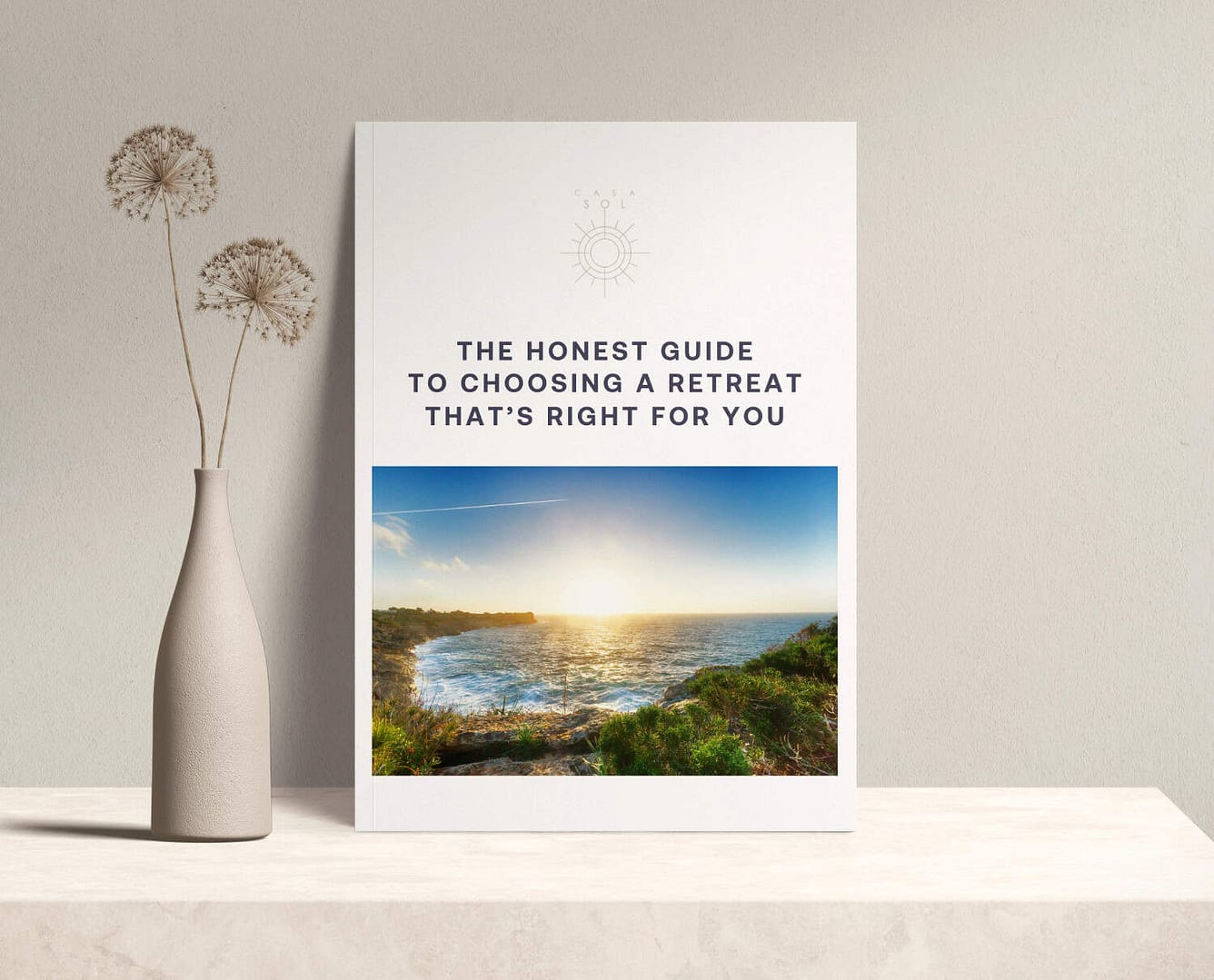
Exploring Your Options?
Choosing the right retreat is a meaningful decision.
Our honest guide covers what to look for, what to ask — and what most retreat websites won’t tell you.
11 practical things worth knowing before you decide.
And if what you’ve read here resonates, you’re welcome to explore what we offer — or simply have a conversation about what might fit.

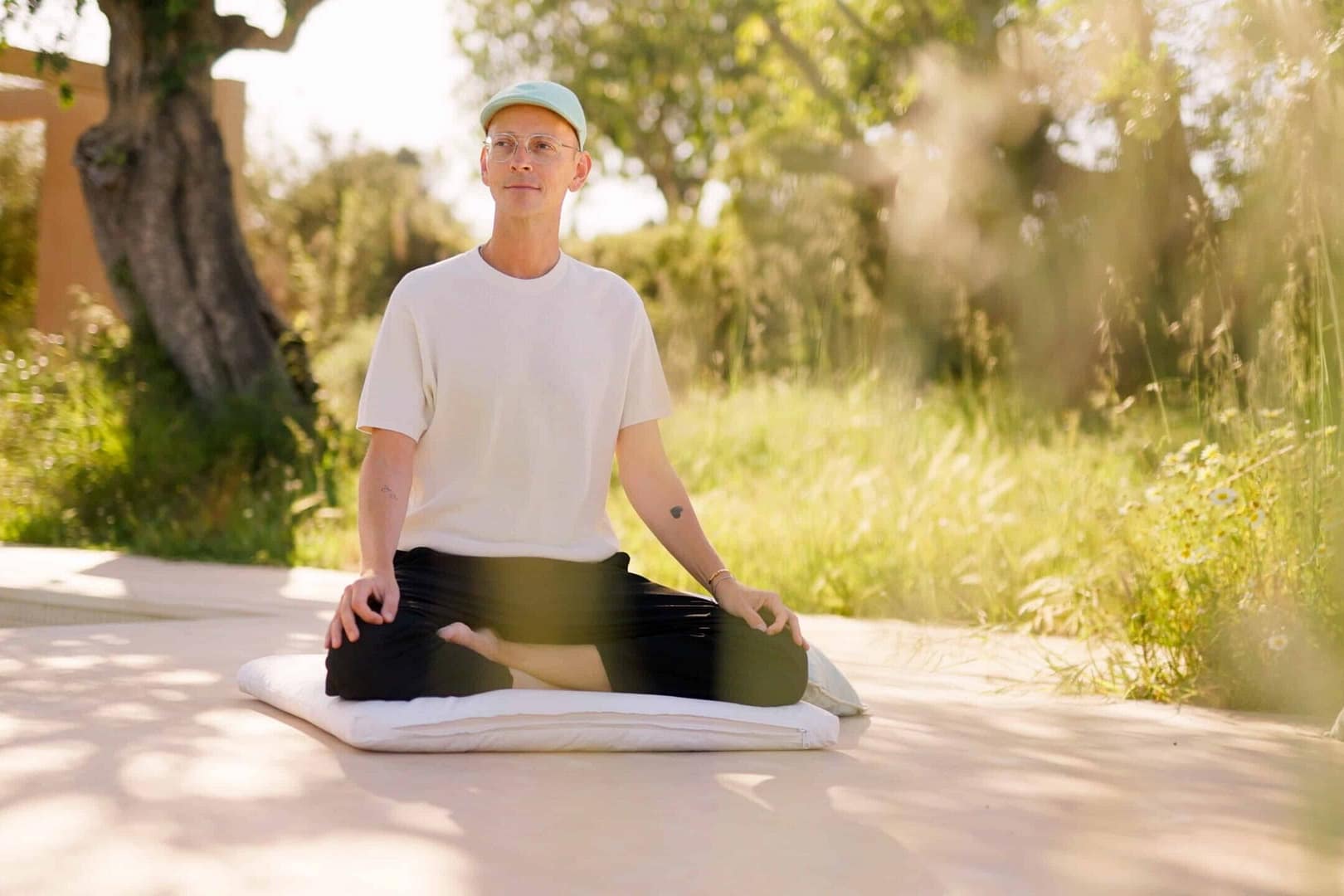
Retreats for Men: A Guide to Depth, Healing & Real Change [2026]
This guide maps the full landscape of men's retreats, helps you understand the real differences between formats, and gives you a framework…

Transpersonal Therapy: What It Is and Why It Goes Deeper
In this guide, you'll learn what transpersonal therapy actually is, where it comes from, how it differs from more familiar approaches, what…

Trauma Retreats: Who They’re For and How They Work
This guide explores what trauma actually is, who trauma retreats serve, and how the process works — so you can sense and recognise whether…

Therapy Retreats: What to Expect, Who They’re For, and How to Choose Well
You've probably been in therapy before — or you've considered it seriously. Weekly sessions have their place, and for many people they're…
