


Retreats for Men: A Guide to Finding Depth, Healing, and Real Change
If you’ve been looking into retreats for men, you’ve probably noticed something: most of what’s out there falls into two camps. There are performance-focused retreats — cold plunges, peak-performance coaching, brotherhood circles, and a particular brand of “become the best version of yourself” energy. And there are religious retreats — faith-based weekends with prayer, scripture, and community.
Both of those serve real needs. But if neither feels like the right fit — if what you’re looking for is something quieter, more personal, and genuinely deep — the options get harder to find. A growing number of men are looking for exactly this: not a programme built around dogma or discipline, but a space where they can finally address what’s actually going on beneath the surface. A life transition. A relationship that’s unravelling. Years of running on autopilot. Grief they haven’t had time to process. The sense that something fundamental needs to change — even if they can’t fully name what.
This guide maps the full landscape of men’s retreats, helps you understand the real differences between formats, and gives you a framework for choosing the one that fits where you are right now.
Key Takeaways
- Most retreats for men fall into religious or performance categories — but a growing number of men are looking for psychological depth and personal healing instead.
- Around 80% of men attending depth-oriented retreats have never done a retreat before, and over 60% have no prior experience with therapy or coaching.
- The most meaningful differences between retreat types aren’t the activities — they’re the depth of facilitation, the qualifications of the practitioner, and whether the format gives you genuine privacy.
- A men’s wellness retreat built around therapy, somatic work, and life coaching can address what surface-level approaches miss: unprocessed grief, relationship patterns, self-neglect, and emotional weight carried for years.
- The best indicator of a quality retreat for men isn’t the marketing — it’s whether you feel genuinely met in the initial conversation.
Why More Men Are Seeking Retreats — And What They’re Not Finding
Something has shifted. More men are recognising that the way they’ve been managing everything — work, relationships, health, emotions — isn’t sustainable. Not because of a single crisis, but because the cumulative weight of years on autopilot is starting to show. Mental fatigue. Emotional distance. A nagging sense that despite external success, something essential has been neglected.
What’s striking is how many of these men aren’t coming from the “wellness world.” In depth-oriented retreat settings, roughly 80% of male participants have never done a retreat before. Over 60% have never worked with a therapist or coach. They’re not looking for another framework or philosophy. They’re looking for something they haven’t been able to find in their existing circles — including, often, their closest friendships and even men’s groups.
What draws them is usually a combination of two things: a clearly designed programme (not vague promises of transformation), and practitioners with credible, real-world experience. Men who’ve built companies, navigated corporate structures, or carried significant professional responsibility tend to look for someone who understands that world — not someone who’ll talk at them from a textbook or shouts at them to “open up and feel.” They want depth without the woo-woo. And what often surprises them is how much deeper the work goes than they expected.
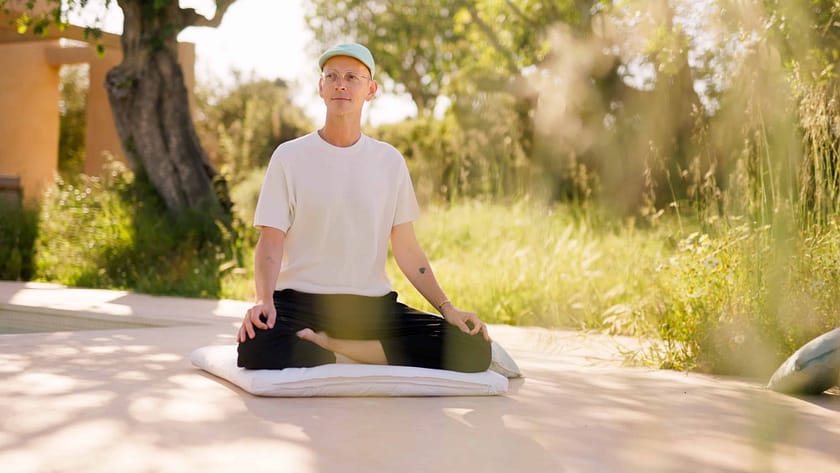
Types of Retreats for Men — The Full Landscape
The label “men’s retreat” covers an enormous range of experiences. Understanding what’s actually out there — and what each format is designed to do — saves you from booking something that doesn’t match what you need.
Religious and Faith-Based Retreats
This is the largest category of retreats for men by volume on the market. Christian, Catholic, and other faith-based retreats typically run as group experiences over a weekend or a week, guided by clergy or spiritual leaders. The focus is prayer, scripture, communal reflection, and deepening one’s relationship with God. For men whose faith is central to their life, these can be profoundly meaningful. They offer spiritual community and a structured path for inner reflection within a shared belief system.
Adventure and Performance Retreats
This is the category that dominates social media. Think cold-water immersion, physical challenges, accountability coaching, biohacking protocols, and high-energy group environments. The framing tends toward optimisation: become stronger, sharper, more disciplined. Some include elements of men’s circles or vulnerability exercises, though typically within a competitive or achievement-oriented structure. For men with a clear physical or performance goal, these retreats deliver structured intensity and camaraderie.
Spiritual Retreats Without a Religious Framework
Worth mentioning separately: there’s a growing space between faith-based and performance retreats. A spiritual retreat for men might include meditation, breathwork, nature immersion, or contemplative practices without being tied to a specific religion. These vary widely in depth — some are genuinely transformative, others lean toward surface-level mindfulness experiences. The key question is always who’s facilitating and what their actual training is.
Therapy, Healing, and Depth Retreats
This is the category that’s hardest to find — and the one a growing number of men are looking for. Therapy retreats for men are built around genuine psychological work: depth psychology, trauma processing, somatic therapy, and guided life coaching. Rather than a group programme, these often operate in private or small-group formats with licensed therapists or experienced practitioners. The focus isn’t performance — it’s understanding. Understanding what’s been driving you, what patterns keep showing up, and what’s been carried for too long without attention.
A mental health retreat for men in this category might address depression, burnout, emotional weight, relationship difficulties, or the aftermath of major life transitions — not through medication management, but through intensive, personally guided therapeutic work that supports real emotional healing at its roots.
Private and 1:1 Retreats
The least-known format, and for many men, the most effective. A private retreat removes the group dynamic entirely. It’s you and a practitioner — no audience, no social management, no performing for others. For men who carry significant professional responsibility, or who simply know they need privacy to go deep, this format creates a fundamentally different kind of space.
Which Type of Men’s Retreat Fits You?
Scroll sideways to see all retreat types →
| Adventure & Brotherhood | Depth & Healing | Performance & Fitness | Faith-Based | |
|---|---|---|---|---|
| You're drawn to | Challenge, nature, bonding with other men | Understanding what's been driving you — or holding you back | Physical transformation, discipline, measurable results | Spiritual guidance, scripture, community of faith |
| You're dealing with | Wanting connection and to test your edge | A life transition, marriage difficulties, grief or loss, unprocessed trauma, burnout, self-neglect, inner confusion, a sense of disconnection from yourself | A clear physical or performance goal | Questions of faith, purpose through a spiritual lens |
| Typical format | Group, outdoor, 3–7 days | Private or small group, guided by licensed therapist or practitioner, structured daily programme | Group, structured bootcamp-style programme | Group, guided by clergy or leaders, weekend to week |
| What you'll do | Hiking, fire circles, physical challenges, sharing circles | 1:1 therapy, somatic work, life coaching, reflection, bodywork — with a clear daily rhythm | Training, cold exposure, nutrition protocols, performance coaching | Prayer, reflection, scripture study, communal silence |
| Works well for | Men who want brotherhood and shared challenge | Founders, professionals, men in transitions — anyone ready to look honestly at their life, relationships, or patterns | Men with a specific physical or health target | Men whose faith is central to their search |
| What it won't give you | Deep psychological work or 1:1 attention | Adrenaline or group energy — this is intimate, focused, personal | Space for emotional processing or vulnerability | A non-religious framework for inner work |
Not sure which type fits you?
Answer four quick questions to find out which retreat format matches where you are right now.
What's pulling you toward a retreat right now?
What would you most want from the experience?
Which of these sounds most like your current situation?
What's your ideal retreat format?
Your match
Adventure & Brotherhood Retreat
You're drawn to experiences that challenge you physically and connect you with other men. Look for retreats that combine outdoor activities, vulnerability practices, and shared challenge — the kind of environment where real bonds form through doing hard things together.
Your match
Depth & Healing Retreat
You're looking for something genuinely personal — space to address what you've been carrying, with a practitioner who understands your world. A private, depth-oriented retreat with therapeutic work, life coaching, and room to process could be exactly what this moment calls for. This is the kind of work we do at Casa Sol — if it resonates, explore our approach or learn about our coaching intensive.
Your match
Performance & Fitness Retreat
You have a clear physical goal and want structure, accountability, and intensity. Look for retreat programmes with qualified trainers, nutrition protocols, and a disciplined daily schedule — environments designed for measurable results and building new habits.
Your match
Faith-Based Retreat
Your search is grounded in faith, and you're looking for spiritual guidance within a shared belief system. Look for retreats led by clergy or spiritual directors that offer structured time for prayer, reflection, and communal worship — environments where your faith is the foundation for inner work.
What men actually bring to a retreat for men focused on depth work
It’s worth being honest about this because the marketing language around retreats often flattens what men are actually going through.
The men who seek out depth-oriented retreats tend to be successful by most external measures. They run companies, lead teams, carry significant responsibility. From the outside, things look handled. From the inside, the picture is different. Years of driving forward — building, performing, providing — have left a gap between who they are publicly and what they’re experiencing privately.
What they carry into a retreat is often a combination of things they haven’t had a safe space to say out loud: mental fatigue and emotional weight that no amount of exercise or holidays resolves. Relationship difficulties with partners — sometimes marriages on the edge. Unprocessed grief over losses they pushed through. Frustration and anger born from years of self-neglect. Complicated feelings about money, family, and the intergenerational patterns they can see but haven’t known how to address. Sometimes addictive patterns — not always substances, but the compulsive loops of work, screens, trading, consumption.
And underneath all of it, something more vulnerable: a longing to reconnect with themselves. A need for self-forgiveness. The weight of what feels like failure — a failed company, a failed marriage, the sense of not having been the father or partner they wanted to be. What many men are really seeking, even if they don’t use the word, is self-discovery — an honest encounter with who they are beneath all the roles they’ve been performing.
What’s remarkable is the gap between what men say they want at the beginning — “clarity,” “reset,” “direction” — and what actually emerges once they feel safe enough to go deeper. The clarity comes, but it comes through honest emotional processing, not through strategic planning.

What Actually Happens at a Retreat for Men — Day by Day
If you’ve never attended a retreat, the practical question matters: what will I actually do all day?
At a depth-oriented retreat for men, the day has a clear rhythm — structured enough to feel purposeful, spacious enough to let things settle. A typical day begins with an activating body practice: yoga, breathwork, a run, a swim in the sea, or a chi gong flow. The point isn’t fitness — it’s waking up the body and the nervous system before the deeper work begins. Breakfast follows, and for many men, the shift toward healthier eating becomes part of the process itself. Years of convenience food, business dinners, and neglected nutrition start to show up as another form of self-neglect — and the retreat quietly addresses that without making it the centrepiece.
The core of the day is a deep work session — therapy or life coaching, depending on the programme and what you’re working with. This is where the real movement happens. With a skilled practitioner, these sessions go to the roots of what brought you here. Not surface-level goal-setting, but accessing deeper emotional layers, processing what’s been unconscious or suppressed, and allowing the body to release stored tension and stagnated energy. Men are often deeply moved by the intensity of what they can feel once they have genuine permission and space for it. For many, it’s the first time they’ve experienced this kind of depth — and the mental clarity that follows is unlike anything a weekend seminar or coaching call can produce.
After lunch, the afternoon opens up. Free time to process, journal, meditate, sit in the sun, or simply be with yourself. For many men, this is one of the most unfamiliar — and ultimately valuable — parts of the experience. Having nothing to do except focus on yourself, without a phone, without the next meeting, without anyone else’s needs to manage.
The day closes with bodywork and energy alignment — essential work that integrates what emerged in the deep session and supports healing beyond the verbal level. This is where somatic retreat work shows its real value: the body holds what the mind has been avoiding, and skilled hands-on work can release what words alone cannot reach. On the life coaching side, sessions focus on reconnecting with an inspiring vision for life and work, reactivating core values, identifying the patterns that create friction or stagnation, and finding real direction.
The thread that runs through the whole day: permission. Permission to be yourself, to share what comes up, and to feel what you feel without managing it for anyone else. It’s all about the real you inside of you.
What to Look For in a Retreat for Men — And What to Watch For
What to look for: A practitioner with credible experience who works from a place of genuine personal depth — someone who speaks your language and connects with you, not someone who lectures from a clinical distance. For many men, having a male practitioner who can sit with vulnerability, shame, and complexity without judgment — and without “mentoring” you on how to be a better man — makes a decisive difference. Pay attention to the initial conversation: a good retreat provider will want to understand where you are before offering a programme. If that conversation feels like it clicks — like there’s a real person on the other end who gets it — that’s one of the most reliable signals of quality.
What to watch for:
- Vague promises of “transformation” or “breakthrough” without clarity about what the work actually involves or who’s facilitating it
- No named practitioner with verifiable experience — just a brand, a location, and aspirational photography
- Language that feels like it belongs on a motivational Instagram account rather than in a genuine conversation about your life
The programme should be clearly defined, touching on all the levels that make us human — physical, emotional, psychological, relational. It should feel deep, safe, professional, and transparent. Without icky promises and without the posturing that’s become common in the men’s retreat space. The accommodation should support the work — a private, calm setting where you can rest and process between sessions, not a shared room where you’re managing someone else’s energy.
Frequently Asked Questions About Retreats for Men
How much does a men’s retreat cost?
Costs vary enormously depending on format, location, and level of personalisation. Group adventure retreats might range from $500–$2,000. Private, therapeutically-guided retreats with licensed practitioners typically start at $3,000 and can go significantly higher for week-long intensive programmes. The key distinction is what you’re paying for: a shared programme or dedicated 1:1 professional attention. Understanding retreat pricing can help you compare what’s actually included.
Do I need experience with therapy or coaching before attending?
No. The majority of men attending depth-oriented retreats — over 60% in many settings — have never worked with a therapist or coach before. A well-run retreat meets you where you are. No preparation is required beyond the willingness to engage honestly.
Can I attend a retreat on my own?
Absolutely. Most men attending private or depth-oriented retreats come alone. In a 1:1 format, it’s the standard. You don’t need a partner, a friend, or a group. In fact, coming alone is often what makes the depth possible — there’s no social role to maintain.
How long should a men’s retreat be?
This depends on what you’re working with. Weekend retreats (2–3 days) can offer a meaningful reset. For deeper therapeutic or life coaching work — processing grief, addressing relationship patterns, working through burnout — a 5–7 day format allows enough time for real movement and integration. Anything shorter than three days is typically limited to surface-level work.
Are men’s retreats only for people in crisis?
No. Some men come during a genuine crisis — a divorce, a health scare, a company falling apart. But many come at a less dramatic but equally important moment: the growing sense that autopilot isn’t working anymore, that something needs to shift, or that they’ve been neglecting their inner world for too long. You don’t need to be in crisis to benefit from focused, supported depth work. In fact, choosing to invest in yourself before a crisis is often what prevents one.
Can a retreat really make a lasting difference?
The honest answer: it depends on the depth of the work and whether you engage with it fully. A well-facilitated retreat with qualified practitioners can compress months of personal growth into days — not by rushing, but by removing the distractions and defences that slow things down in everyday life. Men consistently describe the experience as life-changing, not because of a single dramatic moment, but because something fundamental shifts in how they see themselves and their patterns. What matters most is what you do with that shift after you leave.
 Finding the Right Retreat for You
 Finding the Right Retreat for You
Choosing a retreat is personal. Not every man needs the same thing, and not every format suits every moment in life. The value isn’t in finding the “best” retreat — it’s in finding the one that matches where you actually are and what you’re genuinely ready for.
If what you’ve read here resonates — if you recognise yourself in the description of men who carry a lot, who’ve been running on autopilot, and who sense that something deeper is available — then a depth-oriented, private retreat may be worth exploring seriously.
A good way to start is to get clear on what you’re looking for before you start comparing websites. Our free guide walks you through the honest questions most retreat marketing won’t ask you:
And if you already have a sense of what you need and want to explore whether a private retreat with therapeutic depth or a coaching-focused intensive for founders and professionals is the right fit — a conversation is always a good starting point. No commitment, no pressure. Just an honest exchange about where you are and what might help.
Because in the end, a retreat like this is an investment into a really good project. Only that the project is you.
Exploring Your Options?
Choosing the right retreat is a meaningful decision.
Our honest guide covers what to look for, what to ask — and what most retreat websites won’t tell you.
11 practical things worth knowing before you decide.
And if what you’ve read here resonates, you’re welcome to explore what we offer — or simply have a conversation about what might fit.


Transpersonal Therapy: What It Is and Why It Goes Deeper
In this guide, you'll learn what transpersonal therapy actually is, where it comes from, how it differs from more familiar approaches, what…

Trauma Retreats: Who They’re For and How They Work
This guide explores what trauma actually is, who trauma retreats serve, and how the process works — so you can sense and recognise whether…

Therapy Retreats: What to Expect, Who They’re For, and How to Choose Well
You've probably been in therapy before — or you've considered it seriously. Weekly sessions have their place, and for many people they're…

Types of Retreats: A Guide to Finding the One That’s Right for You
Most people who start looking at retreats aren't in deep crisis. They're functioning — seen from the outside, often functioning quite well.…
